From Washington to you
Lake Quinault
Lake Quinault · Grays Harbor County
Olympic's west-side valleys take more than 12 feet of rain a year, and Quinault's north shore is in the park while the south shore is National Forest.
NPS says Olympic's west-side valleys are drenched in more than 12 feet of rain a year and hold North America's best remaining examples of temperate rain forest. Giant western hemlock, Douglas-fir, and Sitka spruce dominate. Ferns and moss cloak the trees and the forest floor.
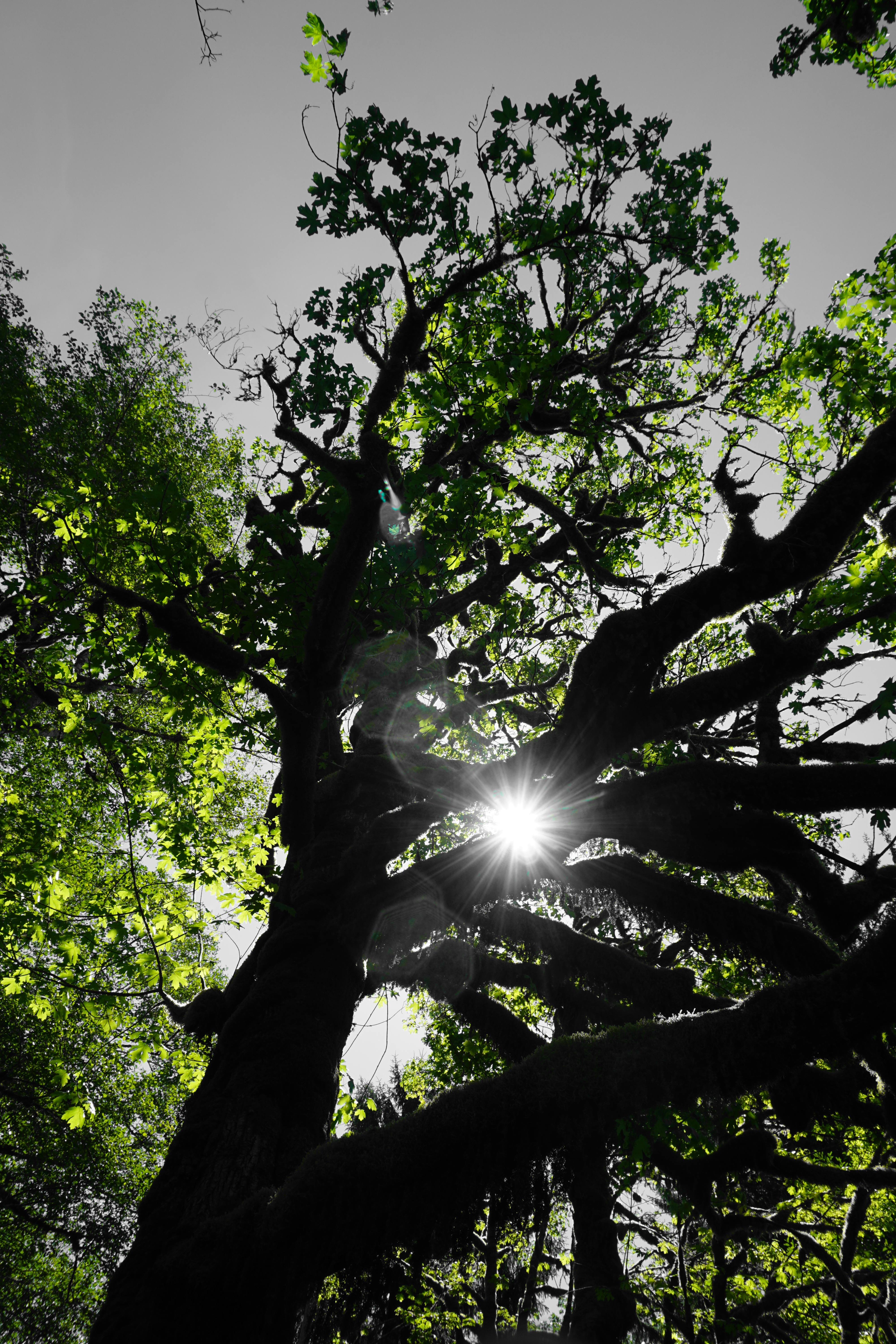
Lake Quinault's north shore lies within Olympic National Park. The south shore is managed by Olympic National Forest. From the Quinault Rain Forest Ranger Station, Maple Glade is a flat 0.5-mile loop through a mossy bigleaf maple grove. The Kestner Homestead trail is a flat 1.3-mile loop. North Fork Campground has 9 sites. Graves Creek Campground has about 30.
The Seattle Press Expedition left Port Angeles in December 1889 and emerged at Lake Quinault six months later. NPS records that Klallam elders recall a grandmother taking her children across the mountains to visit relatives near Quinault. Kalaloch is about 35 miles away. The sources below are Olympic National Park pages.
- Geography & Geology
- Indigenous History & Place
Sources (3)
government · Tier S
National Park ServiceQuinault Area Brochure
government · Tier S
National Park ServiceVisiting Quinault
government · Tier S
National Park ServiceTemperate Rain Forest
Last reviewed: September 21, 2026
Keep wandering
same park
Hoh Rain ForestPacific storms drop 12 to 14 feet of rain a year on one of the last primeval temperate rain forests in the lower 48.
nearby
KalalochOne of the most visited stretches of Olympic National Park sits right on Highway 101, with seven beach trails and a year-round campground on the bluff.
same park
Olympic National Park, 1938Franklin Roosevelt signed the park into law on June 29, 1938, after a 1937 visit, on ground first reserved in 1897 and later set aside for Roosevelt elk.
same park
Roosevelt ElkOlympic National Park holds the largest fully wild Roosevelt elk herd in the Pacific Northwest. Bulls can weigh 1,100 pounds.