From Washington to you
Hoh Rain Forest
Hoh Rain Forest · Jefferson County
Pacific storms drop 12 to 14 feet of rain a year on one of the last primeval temperate rain forests in the lower 48.
On the west side of the Olympic Peninsula, the Quinault, Queets, Hoh, and Bogachiel valleys hold some of the most spectacular remaining temperate rain forest in the contiguous United States. Those forests once stretched from southern Oregon to southeast Alaska. Little now remains outside protected land.
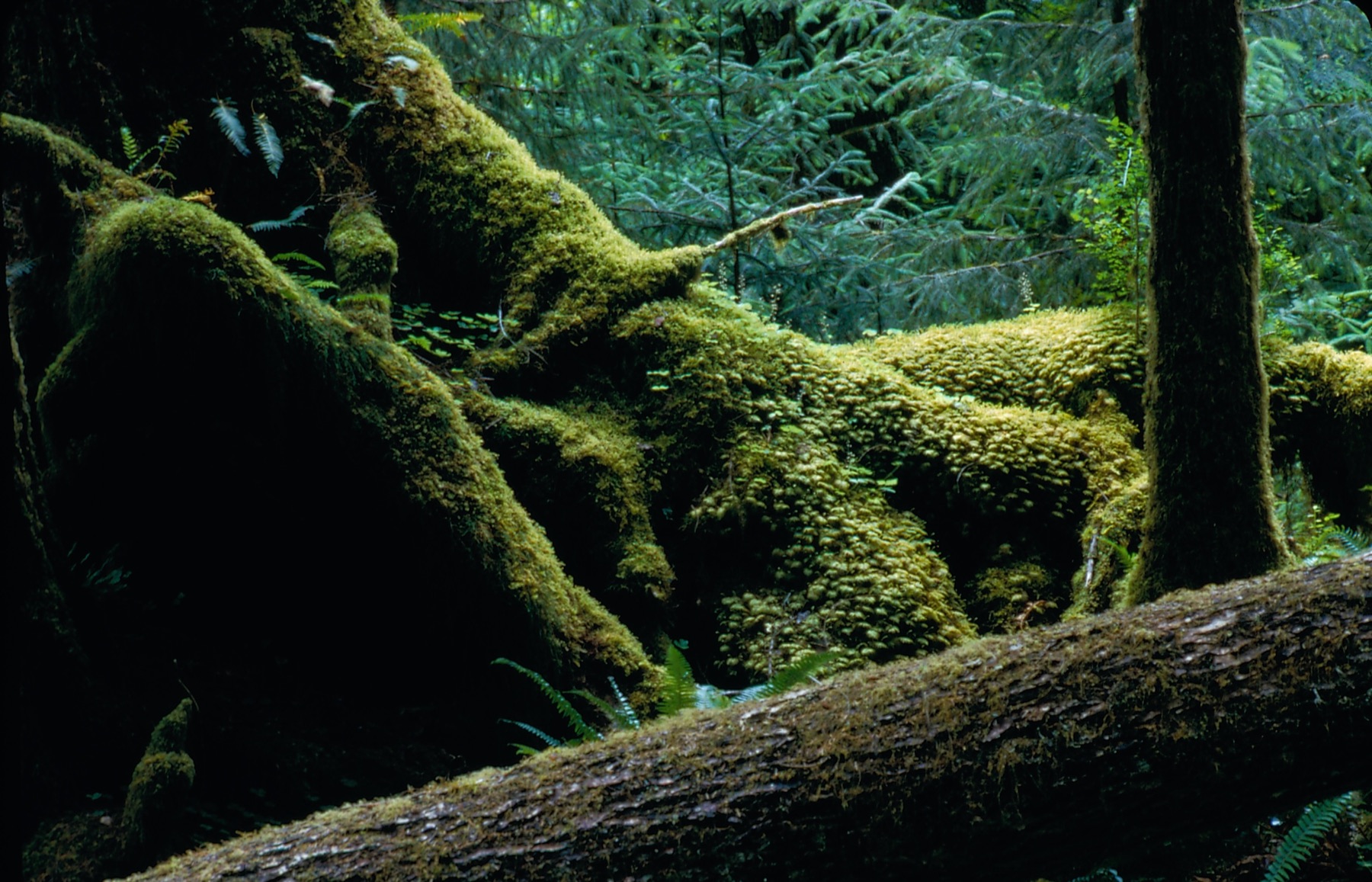
Storms off the Pacific drop most of their moisture on these west-facing valleys. The National Park Service reports 140 to 167 inches of precipitation a year — 12 to 14 feet. Winters stay mild. Summer highs rarely exceed 80°F. Sitka spruce and western hemlock dominate. Many trees are hundreds of years old and can reach 250 feet.
Mosses, ferns, and lichens grow on trunks and branches. Roosevelt elk keep the understory open. The Hoh visitor area is about 90 miles west of Port Angeles. The sources below are Olympic National Park's public description of the forest.
- Geography & Geology
- Wildlife & Ecology
Sources (2)
government · Tier S
National Park ServiceTemperate Rain Forests
government · Tier S
National Park ServiceVisiting the Hoh Rain Forest
Last reviewed: September 20, 2026
Keep wandering
nearby
Blue GlacierOlympic's largest glacier has receded more than a third of a mile and lost more than 150 feet of ice thickness since 1919.
same park
Elwha River restorationThe largest dam removal in U.S. history gave the Elwha back to salmon — and to the people who lived along it.
same park
Hurricane RidgeThe most easily reached mountain area in Olympic National Park sits 17 miles south of Port Angeles, with ridgetop trails and winter snow sports when the road is open.
nearby
Olympic MarmotThe only marmot that lives nowhere else is a high-meadow squirrel of the Olympic Mountains, and Washington named it the official endemic mammal in 2009.
same arc
Olympic National Park, 1938Franklin Roosevelt signed the park into law on June 29, 1938, after a 1937 visit, on ground first reserved in 1897 and later set aside for Roosevelt elk.
same park
Pacific Fisher ReintroductionOn January 27, 2008, twelve fishers from British Columbia stepped into Olympic National Park — the first of 90 animals used to bring a housecat-sized weasel back to Washington.
nearby
Rialto BeachDrift logs, seastacks, and a 1.5-mile walk to Hole-in-the-Wall define this Olympic wilderness beach 75 miles from Port Angeles.
nearby
Roosevelt ElkOlympic National Park holds the largest fully wild Roosevelt elk herd in the Pacific Northwest. Bulls can weigh 1,100 pounds.
nearby
Ruby BeachCedar Creek meets the Pacific 7.5 miles north of Kalaloch. About 225,000 people a year walk down to the stacks and tide pools.
same landscape
Sequim Rain ShadowSequim gets about 16 inches of rain a year — less than 35 miles from temperate rain forest, and close enough for prickly pear cactus.
same park
Sol Duc FallsNPS calls this the most picturesque waterfall in Olympic National Park — and it is only eight-tenths of a mile through old-growth forest.