From Washington to you
Blue Glacier
Blue Glacier · Jefferson County · measured since 1919
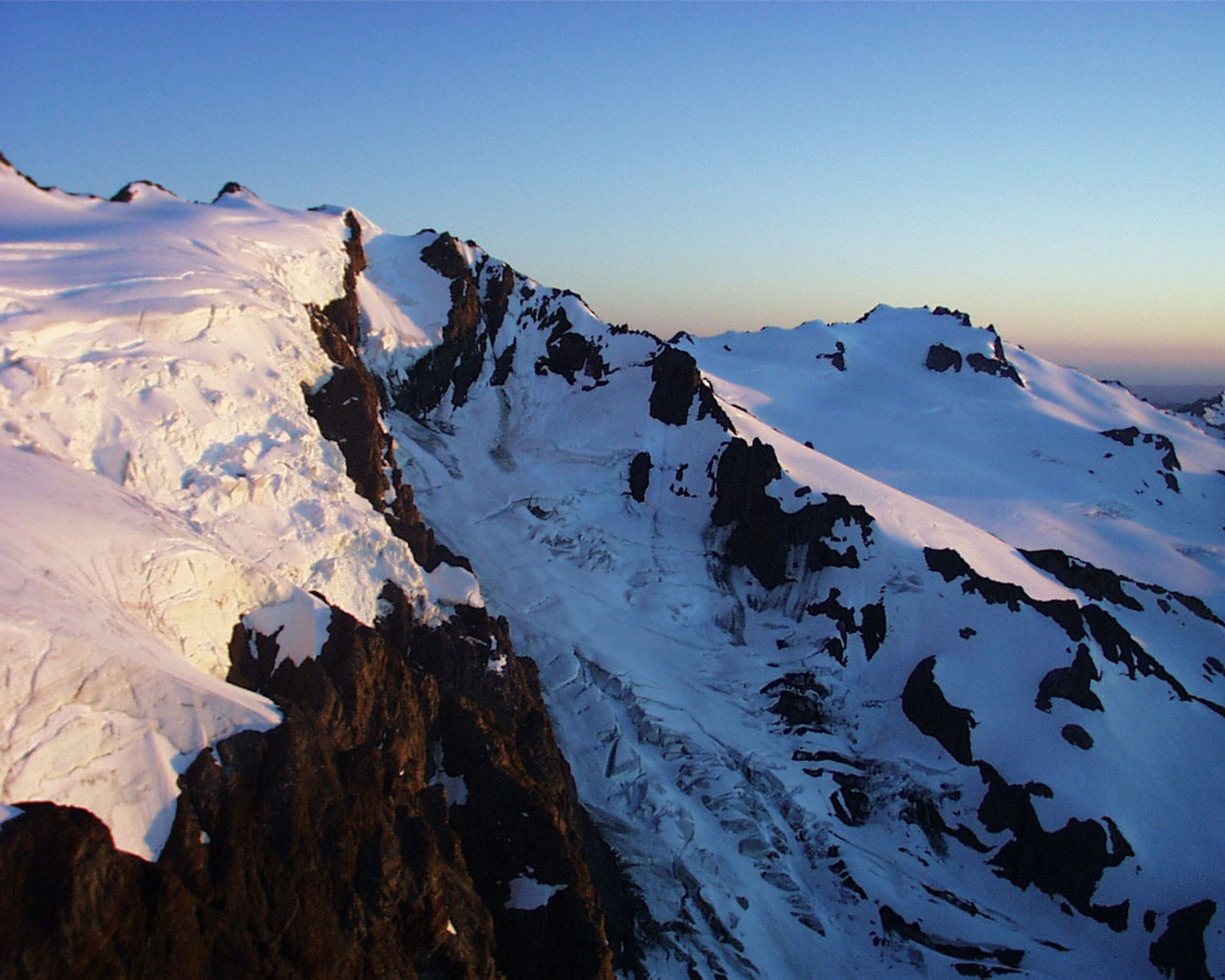
Olympic's largest glacier has receded more than a third of a mile and lost more than 150 feet of ice thickness since 1919.
Blue Glacier sits on Mount Olympus, the highest point on the Olympic Peninsula at 7,980 feet (2,432 meters). NPS calls Blue Glacier the park's largest glacier. Since 1919 it has receded over one-third of a mile and lost more than 150 feet of ice thickness.
The surface area of all glacial ice in Olympic National Park decreased 46 percent between 1982 and 2015. NPS says warmer winters mean some precipitation that used to fall as snow — feeding glaciers — now falls as rain.
Mount Olympus is estimated to get over 50 feet (18 meters) of snow. The Hoh Rain Forest, on the glacier's west-side drainage, records an average of almost 12 feet (3.6 meters) of rain a year. The sources below are Olympic National Park weather pages.
- Geography & Geology
- Science / Strange Washington
Sources (1)
government · Tier S
National Park ServiceWeather Brochure
Last reviewed: September 21, 2026
Keep wandering
nearby
Hoh Rain ForestPacific storms drop 12 to 14 feet of rain a year on one of the last primeval temperate rain forests in the lower 48.
same arc
Mount Rainier GlaciersTwenty-eight major glaciers cover about 30 square miles of the mountain. Emmons is the largest in the Lower 48; Carbon ends the lowest.
same park
Olympic National Park, 1938Franklin Roosevelt signed the park into law on June 29, 1938, after a 1937 visit, on ground first reserved in 1897 and later set aside for Roosevelt elk.
same landscape
Sequim Rain ShadowSequim gets about 16 inches of rain a year — less than 35 miles from temperate rain forest, and close enough for prickly pear cactus.