From Washington to you
Hurricane Ridge
Hurricane Ridge · Clallam County · Olympic high country
The most easily reached mountain area in Olympic National Park sits 17 miles south of Port Angeles, with ridgetop trails and winter snow sports when the road is open.
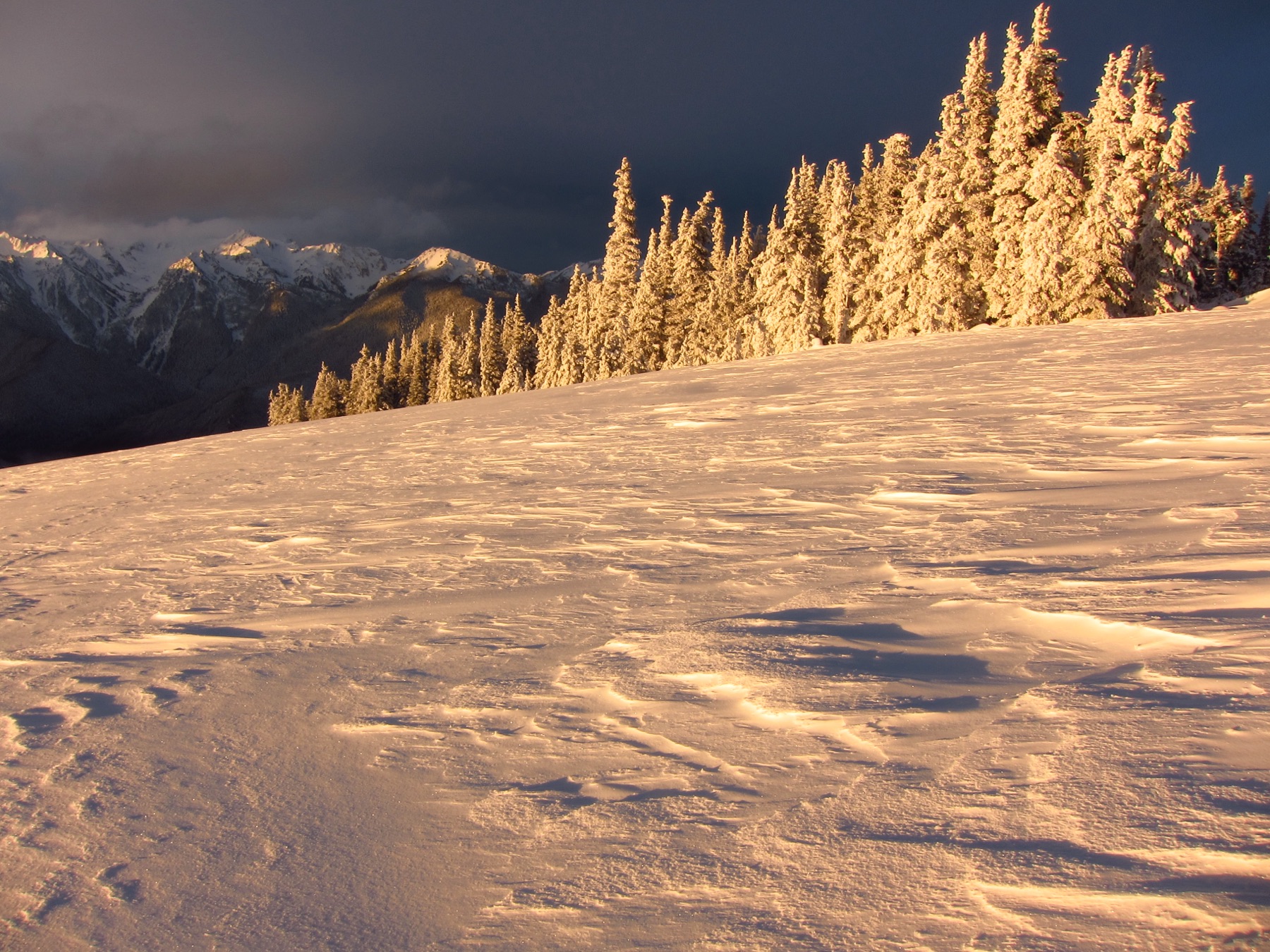
Hurricane Ridge is the most easily accessed mountain area within Olympic National Park. In clear weather, fantastic views can be enjoyed throughout the year. NPS places it 17 miles south of Port Angeles on Hurricane Ridge Road, off Mount Angeles Road.
The road is open throughout summer. During the winter season, the road is scheduled to be open Friday through Sunday and holiday Mondays, weather and road conditions permitting, and closed all other days. All vehicles must carry tire chains during the winter season. Hurricane Ridge has hiking trails from ridgetop traverses to steep trails that descend to subalpine lakes and valleys.
During winter months, visitors snowshoe, cross-country ski, and sled. Weather permitting, the Hurricane Ridge Winter Sports Club operates two rope tows and a Poma lift. In spring, wildflowers cover the subalpine meadows and blacktail deer are often spotted grazing. The nearest campground is Heart O' the Hills, 12 miles north of Hurricane Ridge and 5 miles south of Port Angeles, with 105 campsites in old-growth forest.
- Geography & Geology
- Wildlife & Ecology
Sources (2)
government · Tier S
National Park ServiceVisiting Hurricane Ridge
government · Tier S
National Park ServiceHurricane Ridge Webcam
Last reviewed: September 20, 2026
Keep wandering
nearby
Elwha River restorationThe largest dam removal in U.S. history gave the Elwha back to salmon — and to the people who lived along it.
same park
Hoh Rain ForestPacific storms drop 12 to 14 feet of rain a year on one of the last primeval temperate rain forests in the lower 48.
nearby
Olympic MarmotThe only marmot that lives nowhere else is a high-meadow squirrel of the Olympic Mountains, and Washington named it the official endemic mammal in 2009.
same arc
Olympic National Park, 1938Franklin Roosevelt signed the park into law on June 29, 1938, after a 1937 visit, on ground first reserved in 1897 and later set aside for Roosevelt elk.