From Washington to you
Little Pend Oreille National Wildlife Refuge
Little Pend Oreille National Wildlife Refuge · Stevens County
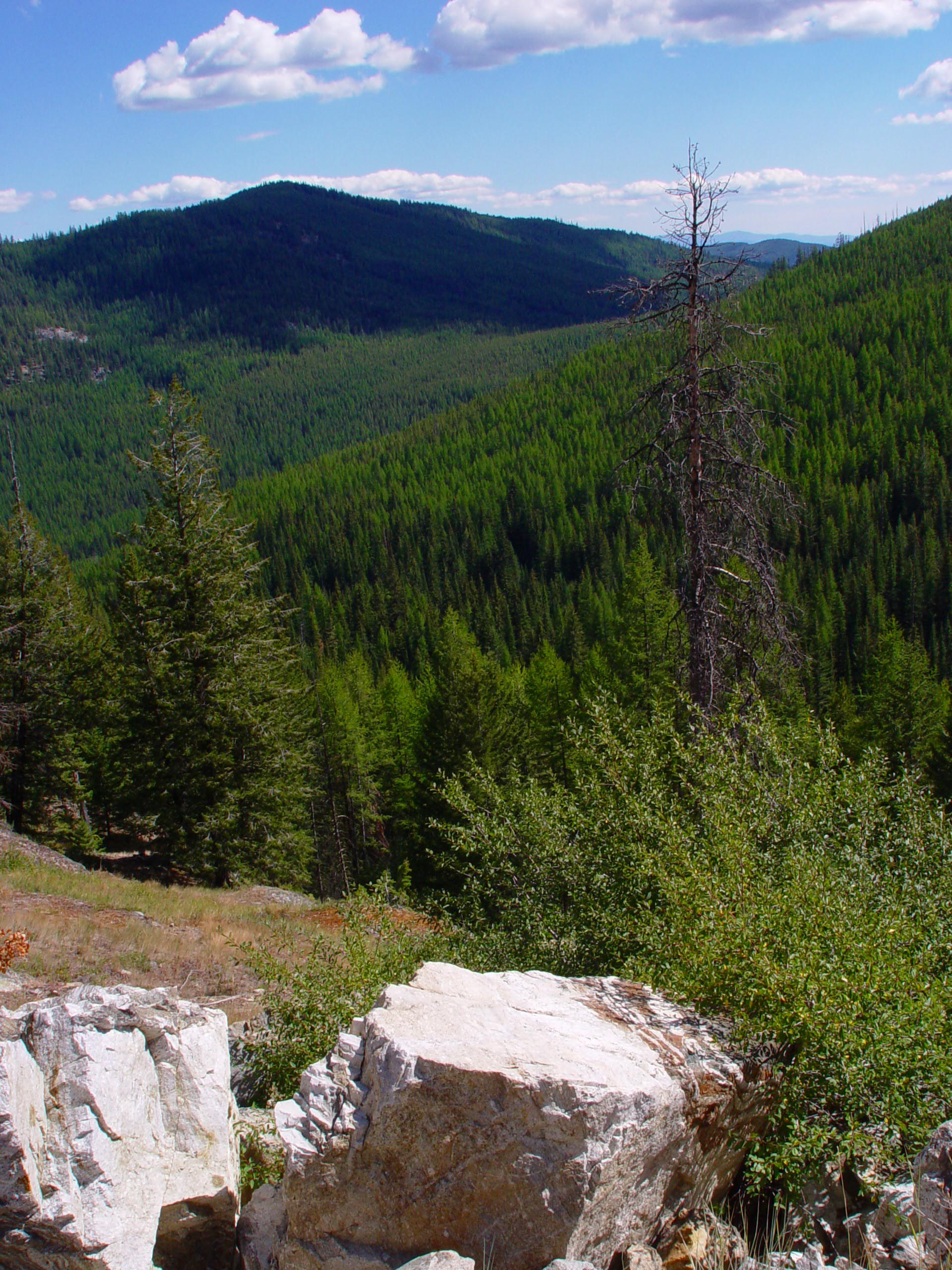
The only mountainous mixed-conifer refuge in the National Wildlife Refuge System rises from 1,800 to 5,600 feet southeast of Colville.
Little Pend Oreille National Wildlife Refuge is 13 miles southeast of Colville, about 70 miles north of Spokane. FWS says it is the only mountainous, mixed-conifer forest refuge in the National Wildlife Refuge System. Elevations range from 1,800 to 5,600 feet.
Six forest zones are present: Douglas fir, grand fir, ponderosa pine, western redcedar, western hemlock, and subalpine fir. Habitats also include scattered lakes, shallow marshes, ponds and springs, and more than 80 miles of streams. The refuge sits in the Columbia River Basin and the Okanogan Highlands, on the western edge of the Selkirk Mountains.
It was established to protect migratory birds and other wildlife. Large mammals include bear, cougar, deer, elk, and moose. More than 200 bird species have been recorded. Much of the recent work has focused on ponderosa pine habitat that supports flammulated owl, white-headed woodpecker, and chipping sparrow. The source below is the U.S. Fish and Wildlife Service refuge page.
- Wildlife & Ecology
Sources (1)
government · Tier S
U.S. Fish and Wildlife ServiceLittle Pend Oreille National Wildlife Refuge
Last reviewed: September 21, 2026
Keep wandering
same arc
Gray Wolves in WashingtonUSFWS treats the gray wolf as a recovered species in much of the West, after listing it as endangered across the contiguous United States in 1978.
nearby
Turnbull National Wildlife RefugeMore than 23,000 acres of channeled scablands near Spokane hold pine, wetlands, and the only refuge landscape of its kind in the National Wildlife Refuge System.