From Washington to you
Olympic Coast Sea Otters
Olympic Coast · Jefferson County · reintroduced 1969–1970
Washington's sea otters were gone by the early 1900s. FWS says 59 animals from Amchitka Island were released on the Olympic Coast in 1969 and 1970.
Northern sea otters, Enhydra lutris kenyoni, once ranged from the Columbia River north along the Olympic Peninsula. FWS says Washington's population was extirpated by the early 1900s. In 1969 and 1970, a total of 59 sea otters were captured at Amchitka Island, Alaska, and released on the outer Olympic Coast — 29 near Point Grenville in 1969 and 30 near La Push in 1970.
FWS manages the Washington stock under the Marine Mammal Protection Act of 1972. NOAA lists the northern sea otter as a key species of Olympic Coast National Marine Sanctuary. Sanctuary and FWS partners have surveyed the population for decades.
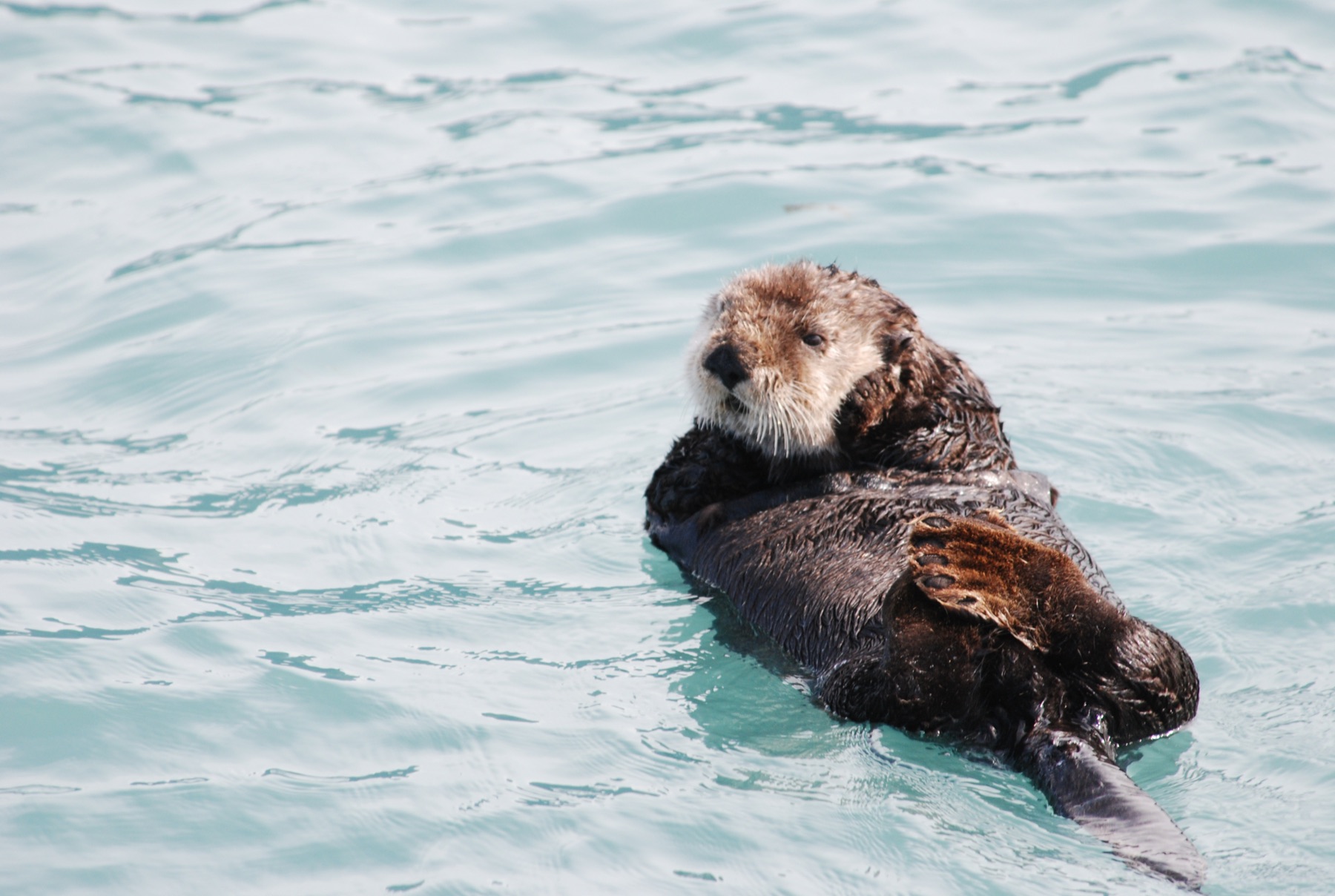
The photograph is a NOAA sanctuary image of a sea otter, not a count of today's animals. The sources below are the U.S. Fish and Wildlife Service stock assessment and the sanctuary page.
- Wildlife & Ecology
Sources (2)
government · Tier S
U.S. Fish and Wildlife ServiceNorthern Sea Otter (Washington) Stock Assessment Report
government · Tier S
National Oceanic and Atmospheric AdministrationOlympic Coast National Marine Sanctuary
Last reviewed: September 20, 2026
Keep wandering
nearby
Hoh Rain ForestPacific storms drop 12 to 14 feet of rain a year on one of the last primeval temperate rain forests in the lower 48.
same landscape
Olympic Coast National Marine SanctuaryNOAA designated 3,188 square miles of ocean off the Olympic Peninsula on July 22, 1994, from the beaches out across the continental shelf.
nearby
Olympic National Park, 1938Franklin Roosevelt signed the park into law on June 29, 1938, after a 1937 visit, on ground first reserved in 1897 and later set aside for Roosevelt elk.