From Washington to you
Dungeness Spit
Dungeness National Wildlife Refuge · Clallam County · established January 20, 1915
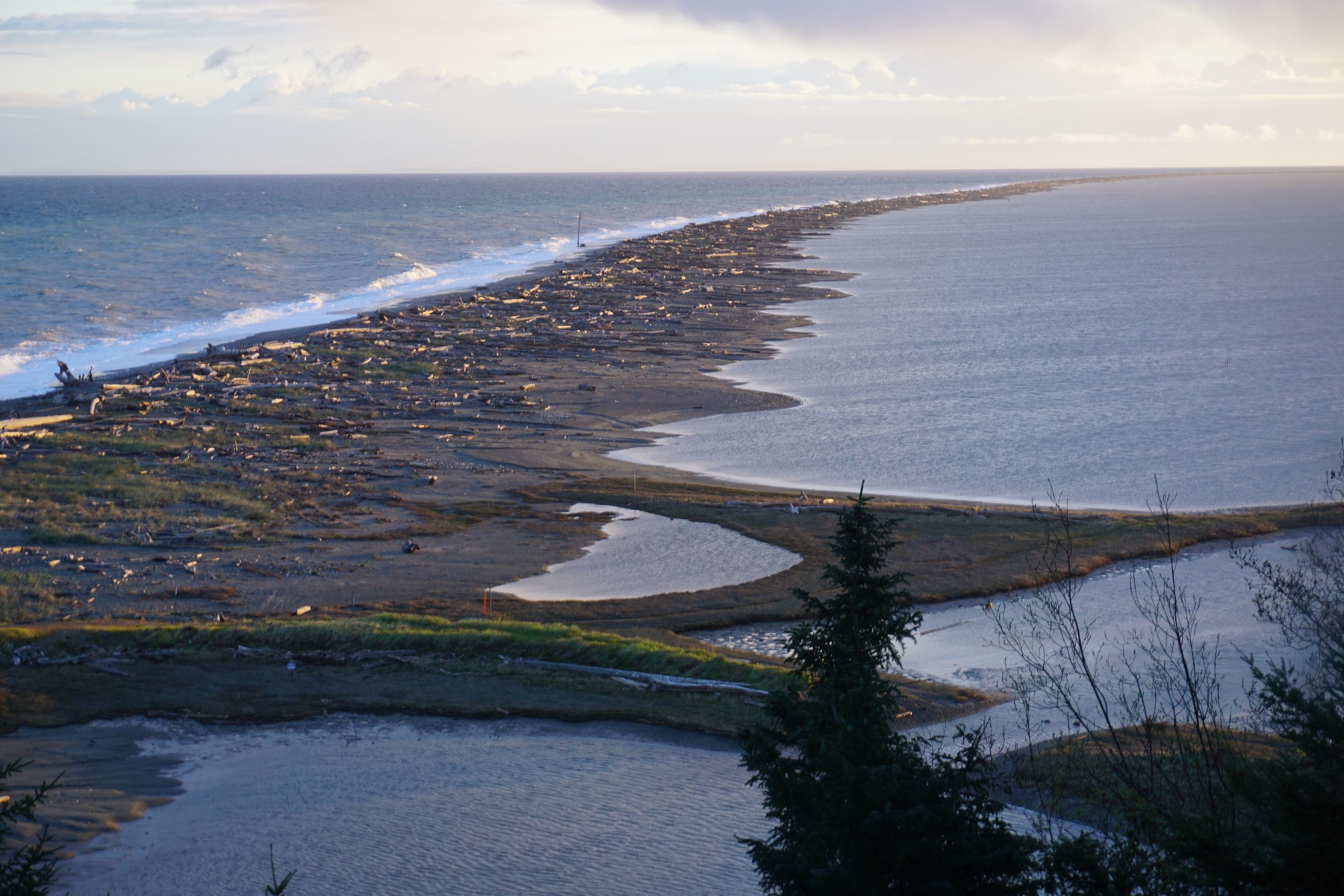
One of the world's longest sand spits shelters a bay President Wilson set aside in 1915 as a refuge, preserve, and breeding ground for native birds.
Dungeness National Wildlife Refuge occupies a long sand spit in Clallam County. FWS calls Dungeness one of the world's longest sand spits. President Woodrow Wilson established the refuge on January 20, 1915, as a refuge, preserve, and breeding ground for native birds.
A refuge brochure says the five-mile spit lengthens about 13 feet a year. FWS records 244 bird species, 18 land mammals, and 11 marine mammals. The hike to the lighthouse is five miles one way, about 11 miles round trip.
The spit shelters a bay of eelgrass, tideflats, and quiet water. The sources below are the U.S. Fish and Wildlife Service refuge page and brochure.
- Geography & Geology
- Wildlife & Ecology
Sources (2)
government · Tier S
U.S. Fish and Wildlife ServiceDungeness National Wildlife Refuge
government · Tier S
U.S. Fish and Wildlife ServiceDungeness National Wildlife Refuge Brochure
Last reviewed: September 20, 2026
Keep wandering
nearby
Hurricane RidgeThe most easily reached mountain area in Olympic National Park sits 17 miles south of Port Angeles, with ridgetop trails and winter snow sports when the road is open.
nearby
Olympic Coast Sea OttersWashington's sea otters were gone by the early 1900s. FWS says 59 animals from Amchitka Island were released on the Olympic Coast in 1969 and 1970.
nearby
Protection IslandA 364-acre refuge closed to the public holds puffins, auklets, and harbor seals, with a 200-yard watercraft buffer around the shore.
nearby
Sequim Rain ShadowSequim gets about 16 inches of rain a year — less than 35 miles from temperate rain forest, and close enough for prickly pear cactus.