From Washington to you
Johnston Ridge Observatory
Johnston Ridge Observatory · Cowlitz County · named for David Johnston, May 18, 1980
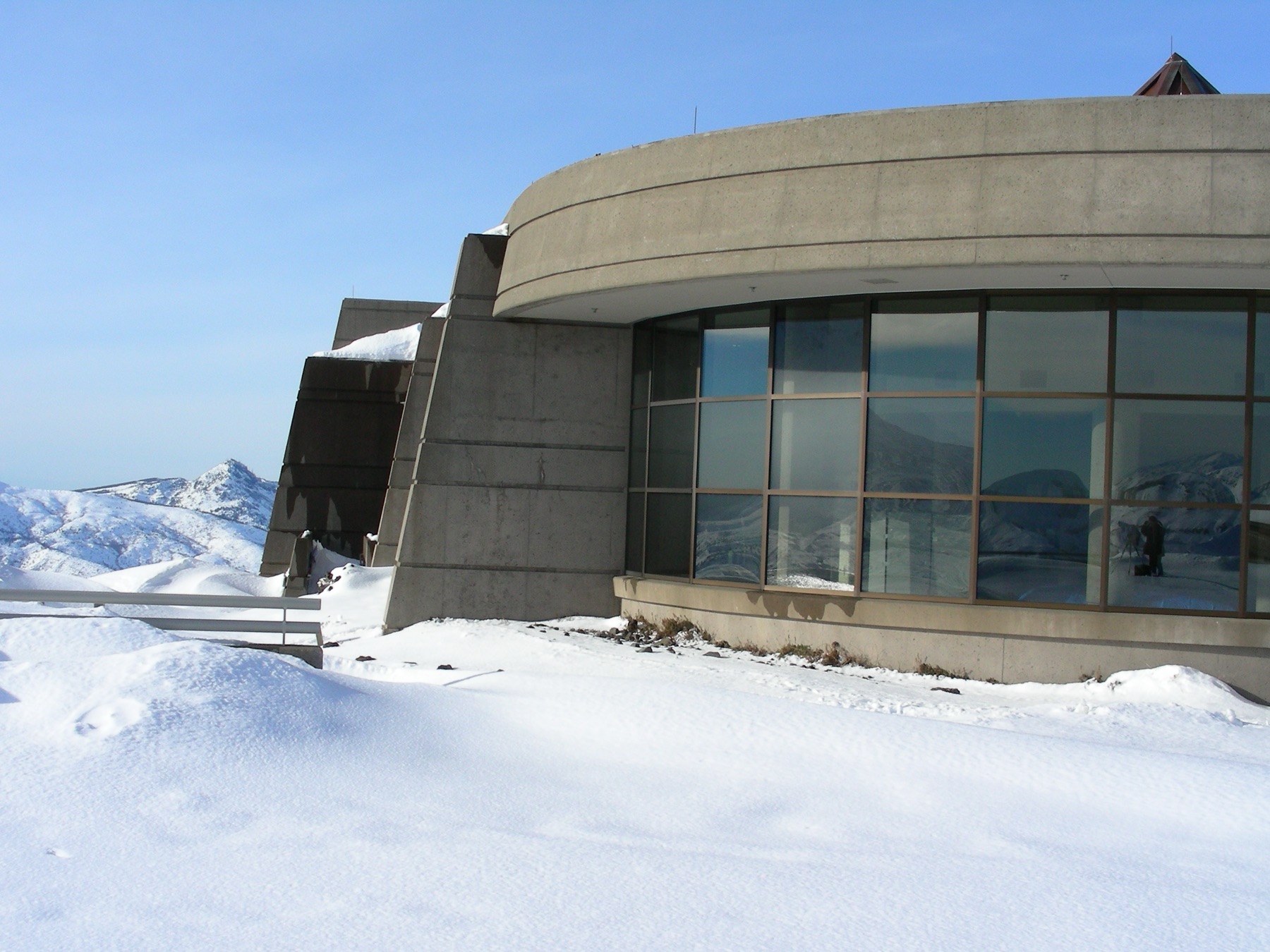
The observatory sits in the center of the 1980 blast zone, about 5 miles north of the crater, and is named for the USGS volcanologist who died on duty that morning.
Johnston Ridge Observatory is open seasonally and is located on Johnston Ridge in the center of the 1980 blast zone approximately 8 km (5 mi) north of the Mount St. Helens summit. The ridge was named in honor of David Johnston, the USGS volcanologist who was on duty at the USGS Coldwater II observation point during the May 18, 1980, eruption.
He was one of 57 people who lost their lives in the eruption. A USGS photograph on the same official page shows Johnston at Coldwater II at 1900 hours on May 17, 1980. The caption states he did not survive the next day's eruption, and that Coldwater II would eventually be renamed Johnston Ridge.
The observatory building houses seismic, deformation, and other monitoring equipment that relays data to the USGS Cascades Volcano Observatory for analysis. It stands inside Mount St. Helens National Volcanic Monument, established in 1982 on 445 km² (110,000 acres) and managed by the USDA Forest Service.
- Geography & Geology
- History
- Science / Strange Washington
Sources (1)
government · Tier S
U.S. Geological SurveyMount St. Helens National Volcanic Monument
Last reviewed: September 20, 2026
Keep wandering
nearby
Ape CaveA pahoehoe lava tube on the southwest flank of Mount St. Helens is the third longest in North America.
same arc
Mount St. HelensOn a clear May morning, the north side of the mountain gave way.
nearby
Spirit LakeThe 1980 debris avalanche raised the lake 64 meters, blocked its outlet, and forced a bedrock tunnel so the water would not break out down the Toutle.