From Washington to you
Umatilla National Wildlife Refuge
Umatilla National Wildlife Refuge · Benton County · established 1969
23,555 acres on both shores of the Columbia — three units in Washington — created after John Day Dam flooded the river.
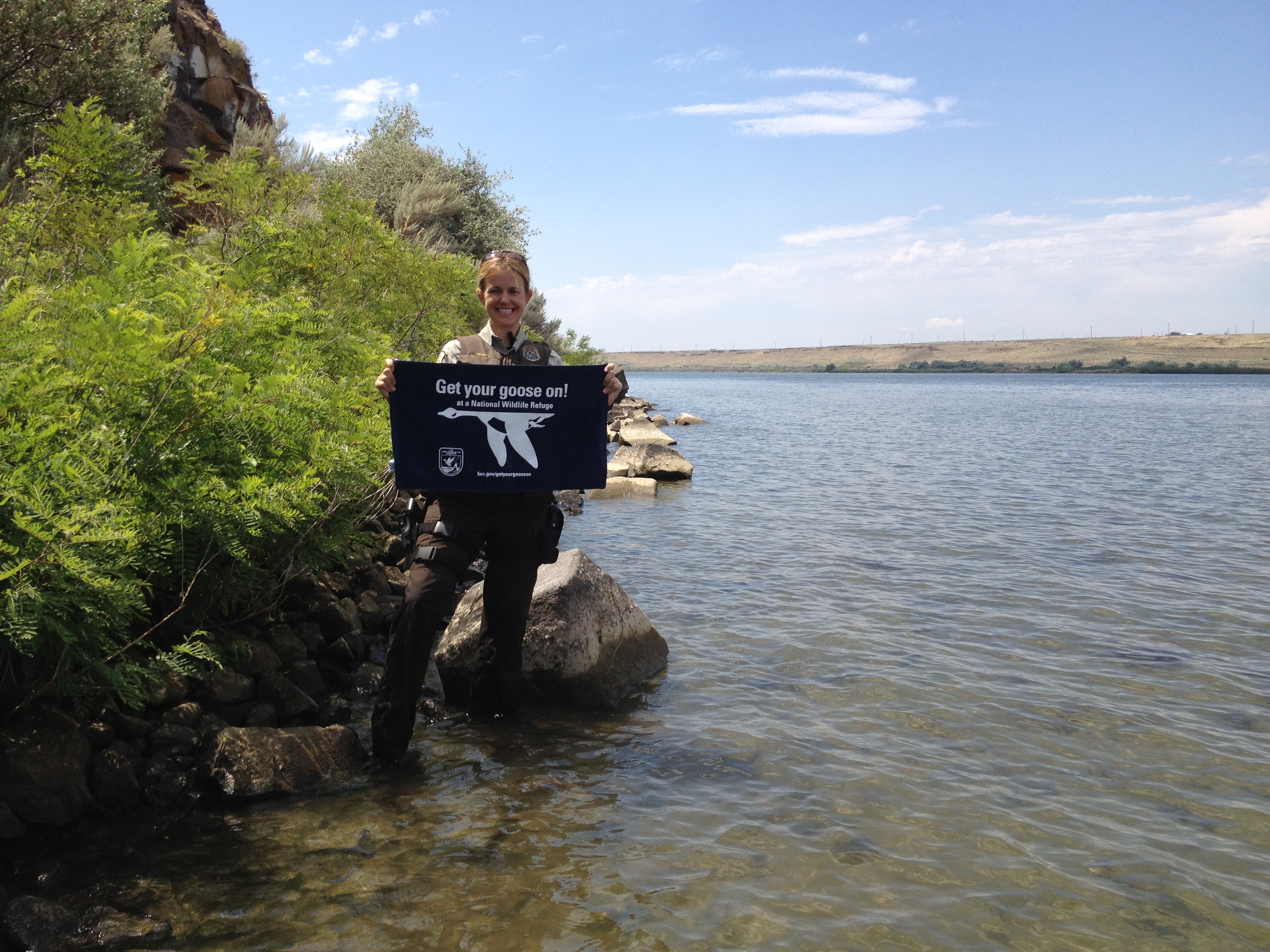
Umatilla National Wildlife Refuge is a network of lands on the Oregon and Washington shores of the Columbia River. FWS says the refuge covers 23,555 acres in five units — three in Washington and two in Oregon. Natural and managed wetlands mix with native shrub-steppe.
The refuge was established in 1969 under the Fish and Wildlife Coordination Act, after authorization of John Day Lock and Dam. FWS says rivers transformed by large dams become deep, slow lakes, and the Coordination Act requires consultation to prevent loss of wildlife. Umatilla was created as a consequence of those requirements.
Providing waterfowl habitat is a major focus. In spring, burrowing owls and long-billed curlews nest. Summers often exceed 100 degrees. In winter, thousands of waterfowl return. Most refuge islands are closed to public entry year-round. The sources below are U.S. Fish and Wildlife Service pages.
- Wildlife & Ecology
Sources (2)
government · Tier S
U.S. Fish and Wildlife ServiceUmatilla National Wildlife Refuge — About Us
government · Tier S
U.S. Fish and Wildlife ServiceUmatilla National Wildlife Refuge
Last reviewed: September 21, 2026
Keep wandering
nearby
Columbia National Wildlife RefugeIce Age floods tore coulees through this desert. Irrigation seepage later filled the holes, and a 1944 refuge now winters ducks, geese, and sandhill cranes.
nearby
Hanford Reach National MonumentA wartime buffer around the plutonium works left 196,000 acres of shrub-steppe and the last free-flowing stretch of the Columbia above Bonneville.
nearby
John Day DamSixteen turbine units and a 110-foot lock sit on the Columbia at river mile 215, backing up Lake Umatilla.
nearby
McNary National Wildlife RefugeFifteen thousand acres of sloughs and shrub-steppe were set aside in 1956 to replace habitat the dam drowned. More than half the Pacific Flyway's mallards winter in this basin.