From Washington to you
Moses Coulee Gravel Bar
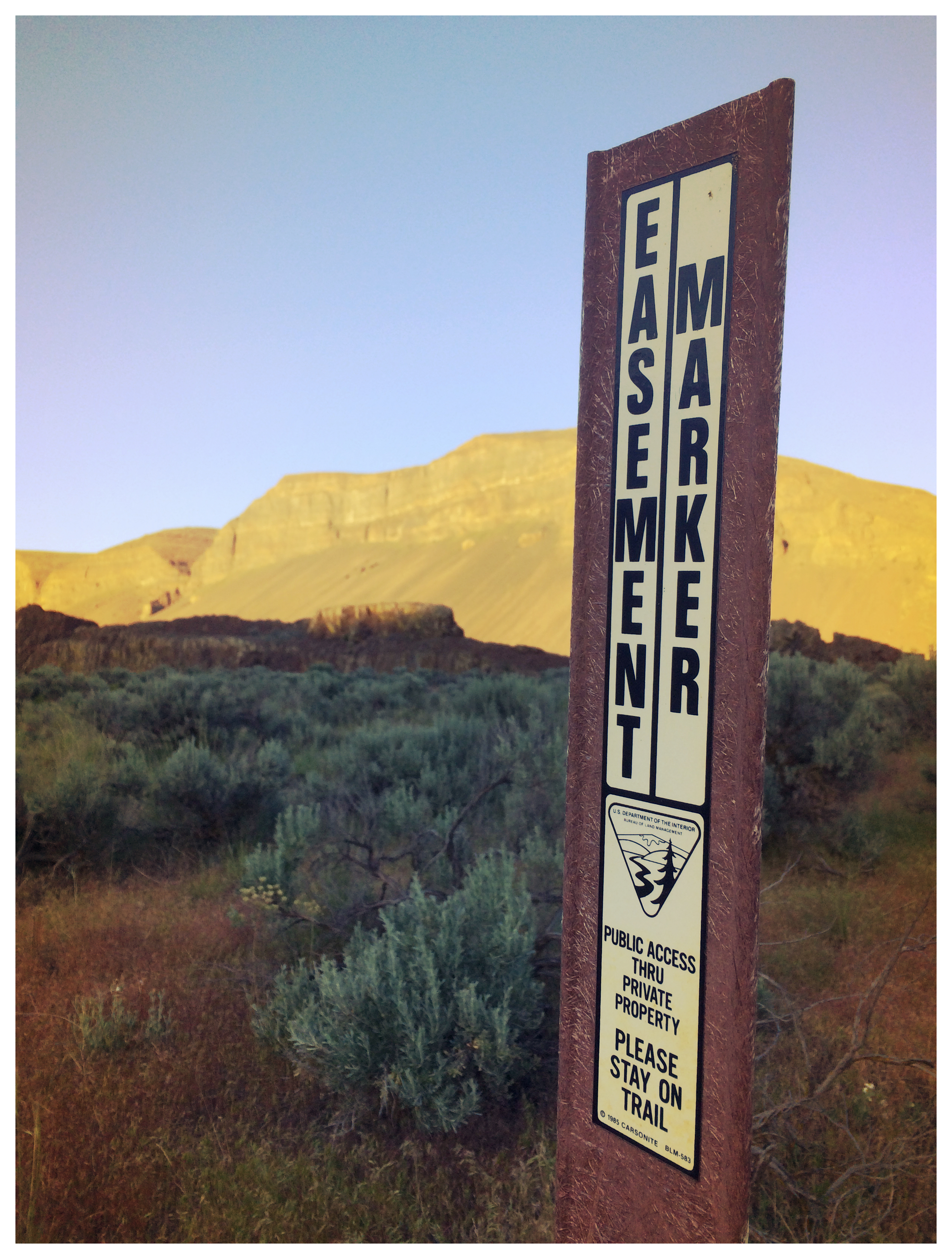
Great Gravel Bar of Moses Coulee · Douglas County · Ice Age floods
A teardrop of pebble-cobble gravel 3.2 miles long and 240 feet high — perhaps the largest flood bar in the Channeled Scabland.
The Great Gravel Bar of Moses Coulee is a National Natural Landmark on the Ice Age Floods trail. NPS says an outburst from Glacial Lake Missoula was diverted into Moses Coulee when the Okanogan Lobe blocked the Columbia about 14 miles north of the site. In a single flood the coulee became a long, deep canyon second only to Grand Coulee.
As the flood waned, a 200-foot sheet of gravel covered the coulee floor. Behind a bedrock protrusion a giant teardrop-shaped pendant bar formed. The bar is 5.2 kilometers (3.2 miles) long and as much as 74 meters (240 feet) high — perhaps the largest flood-related bar in the scabland. The coulee here is about 180 meters (590 feet) deep and 1.5 kilometers (1 mile) wide.
Most boulders on the bar are basalt plucked from the walls upstream. A few granite and other non-basalt boulders were likely ice-rafted on bergs. An elongate depression about 0.6 mile long on the west side records eddy circulation during deposition. The sources below are the National Park Service landmark page.
- Geography & Geology
Sources (1)
government · Tier S
National Park ServiceThe Great Gravel Bar of Moses Coulee National Natural Landmark
Last reviewed: September 21, 2026
Keep wandering
nearby
Banks LakeReclamation's equalizing reservoir for the Columbia Basin Project sits behind the Feeder Canal from Grand Coulee, the first stop for irrigation water heading south.
nearby
Dry FallsA 3.5-mile cliff in the Grand Coulee is the lip of a waterfall that once dwarfed Niagara.
same landscape
Ice Age FloodsNPS says that 18,000 to 15,000 years ago an ice dam in northern Idaho failed, sending Glacial Lake Missoula across Washington and down the Columbia.
same landscape
Wallula GapIce Age floodwaters hit a two-mile gap that could not pass them all — and backed up into a temporary lake 900 feet deep.