From Washington to you
Lake Roosevelt
Lake Roosevelt · Lincoln County · reservoir completed 1941
The reservoir behind Grand Coulee Dam is officially Franklin D. Roosevelt Lake, a long pool NPS says is the largest reservoir in the Pacific Northwest.
Lake Roosevelt National Recreation Area follows the reservoir behind Grand Coulee Dam. NPS calls the water body Franklin D. Roosevelt Lake. The park brochure says it is the largest reservoir in the Pacific Northwest and stretches 133 miles from Grand Coulee Dam to Onion Creek, 16 miles south of the United States–Canada border.
NPS says the park manages more than 300 miles of publicly accessible shoreline. Dam construction began in 1933 and finished in 1941. In 1946 the Secretary of the Interior approved a three-party agreement among the Bureau of Reclamation, the Office of Indian Affairs, and the National Park Service.
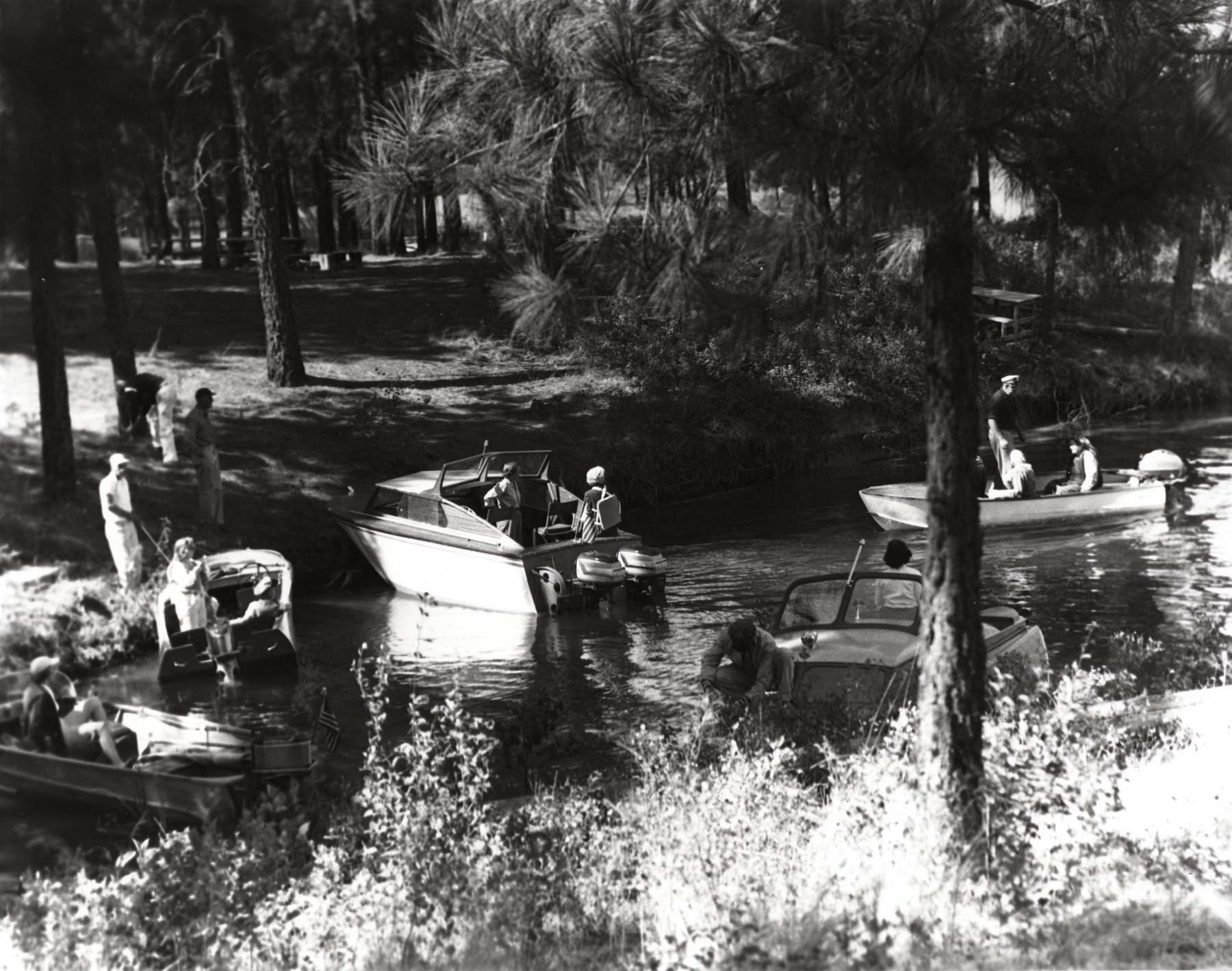
The recreation area is a water park first: boating, fishing, camping, and swimming along a narrow, fluctuating pool. The sources below are the National Park Service Lake Roosevelt pages.
- Geography & Geology
- History
Sources (2)
government · Tier S
National Park ServicePark Brochure
government · Tier S
National Park ServiceLake Roosevelt National Recreation Area
Last reviewed: September 20, 2026
Keep wandering
same arc
Banks LakeReclamation's equalizing reservoir for the Columbia Basin Project sits behind the Feeder Canal from Grand Coulee, the first stop for irrigation water heading south.
nearby
Chief JosephHin-mah-too-yah-lat-kekt led the Wallowa band. After the 1877 flight he was refused a return to Oregon and died on the Colville Reservation on September 21, 1904.
same arc
Columbia Basin ProjectReclamation's irrigation project now serves about 671,000 acres in east-central Washington, roughly two-thirds of the land Congress authorized in 1943.
same park
Fort SpokaneThe Army built a fort above the Spokane–Columbia confluence in 1880. After the garrison left, the same buildings became a boarding school and then a hospital.
nearby
Grand Coulee DamA Depression-era dam turned the Columbia into irrigation, power, and a 151-mile lake.
same park
Kettle Falls FisheryNPS calls the drowned falls an inland-Northwest center for more than 9,000 years. Tribes speared and netted thousands of salmon—enough, the park says, for half a year’s diet.